


Introduction:
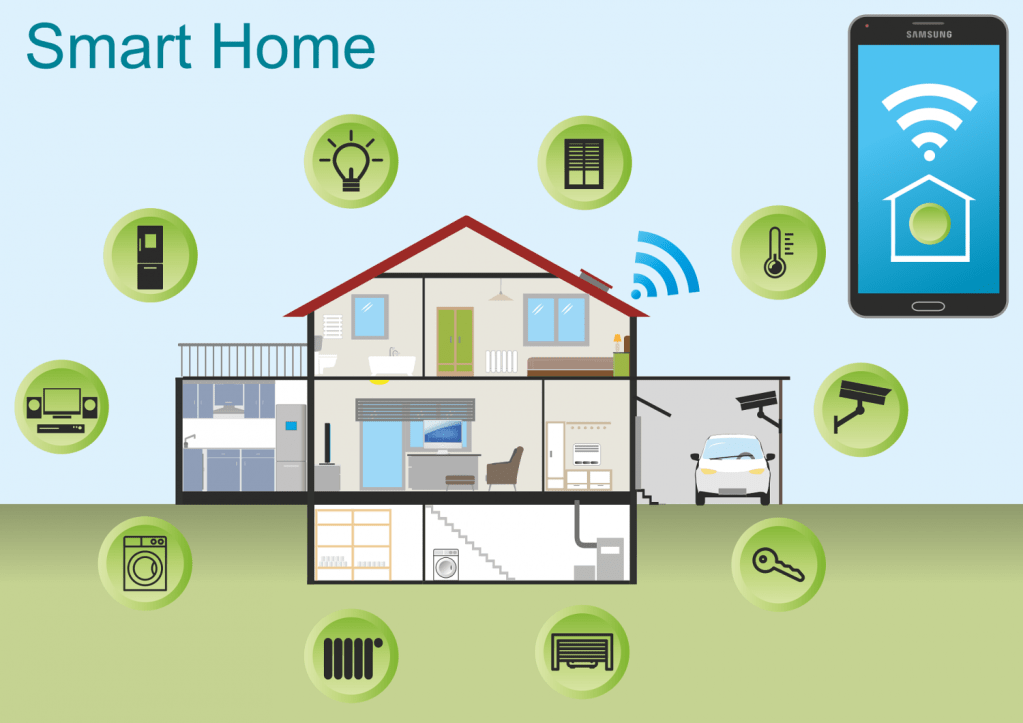
With technological advancements and the rise of the Internet of Things (IoT), our homes are becoming smarter than ever. From automated lighting and intelligent thermostats to voice-controlled assistants, smart homes are transforming the way we live. In this blog post, we will explore the future of smart homes and the potential benefits they offer in terms of convenience, energy efficiency, and security.

- Convenience:
- Voice-activated control: The integration of virtual assistants like Amazon Alexa and Google Assistant enables homeowners to control various devices with voice commands, making everyday tasks more convenient and hands-free.
- Automated routines: Smart home systems allow users to set up automated routines that adjust lighting, temperature, and other parameters based on personalized preferences or time of day.
- Remote access: With smartphone apps, homeowners can remotely monitor and control their smart devices, providing convenience and peace of mind even when away from home.
- Energy Efficiency:
- Smart thermostats: These devices learn from user behaviour and adjust temperature settings accordingly, optimizing energy usage and reducing utility costs.
- Lighting control: Smart lighting systems use motion sensors and timers to automatically turn lights on and off, saving energy by eliminating unnecessary usage.
- Energy monitoring: Smart plugs and energy monitoring devices provide real-time data on energy consumption, enabling homeowners to identify energy-hungry devices and make informed choices for energy conservation.
- Security and Safety:
- Smart locks: Keyless entry systems allow homeowners to control access to their homes remotely and receive notifications when doors are unlocked or locked, enhancing security.
- Surveillance systems: Connected cameras provide real-time monitoring and recording, enabling homeowners to monitor their property even when they are away.
- Fire and carbon monoxide detection: Smart detectors can detect potential hazards, send alerts, and automatically trigger emergency responses, enhancing safety measures.

- Integration and Interconnectivity:
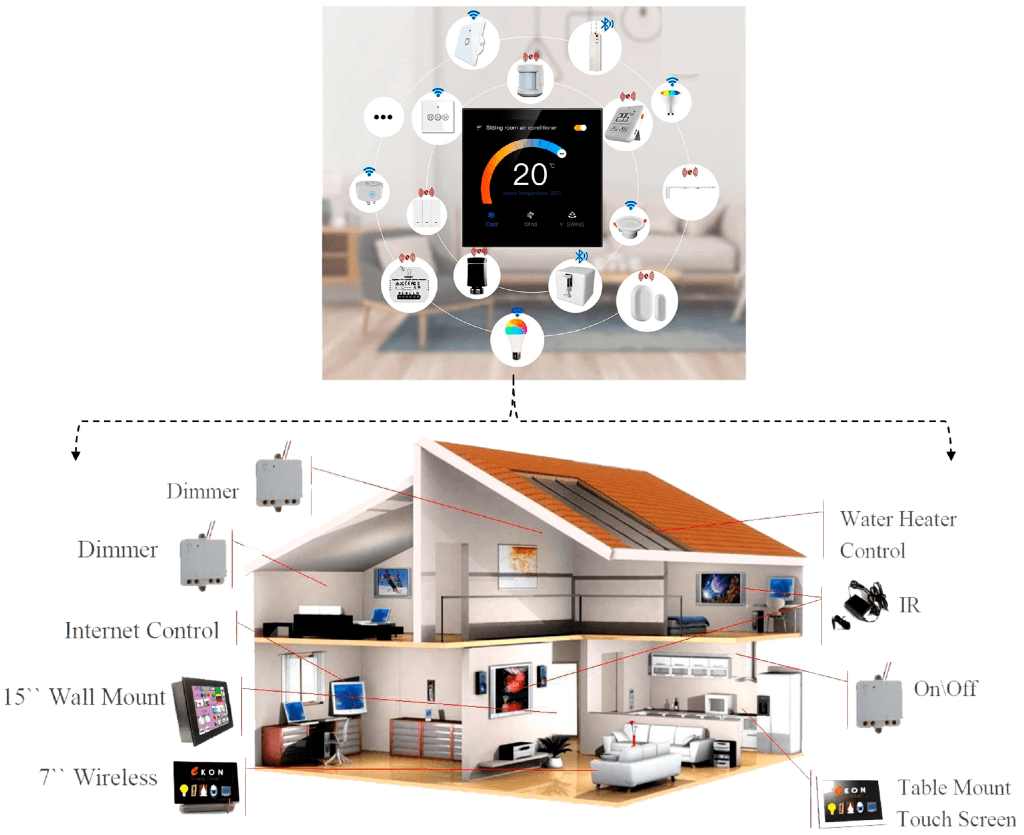
- The role of IoT: Smart home devices are becoming more interconnected, allowing for seamless integration and communication between devices and systems.
- Smart home hubs: Centralized hubs, such as Samsung SmartThings and Apple HomeKit, enabling users to control multiple devices from a single platform, fostering a cohesive and unified smart home experience.
Conclusion:
The future of smart homes holds great potential for enhancing convenience, energy efficiency, and security in our daily lives. With ongoing technological advancements and increased interconnectivity, smart homes are transforming into intelligent ecosystems that adapt to our needs and preferences. Embracing this technology can make our lives more convenient and contribute to a more sustainable and secure future.
 TechTronics