


Introduction: In today’s fast-paced world, technology has revolutionized nearly every aspect of our lives, and education is no exception. The impact of technology on modern education has been profound, shaping how students learn, educators teach, and institutions function. In this blog post, we will delve into the transformative influence of technology on the education landscape, exploring the myriad benefits it offers students and educators while acknowledging the challenges that come along the way.
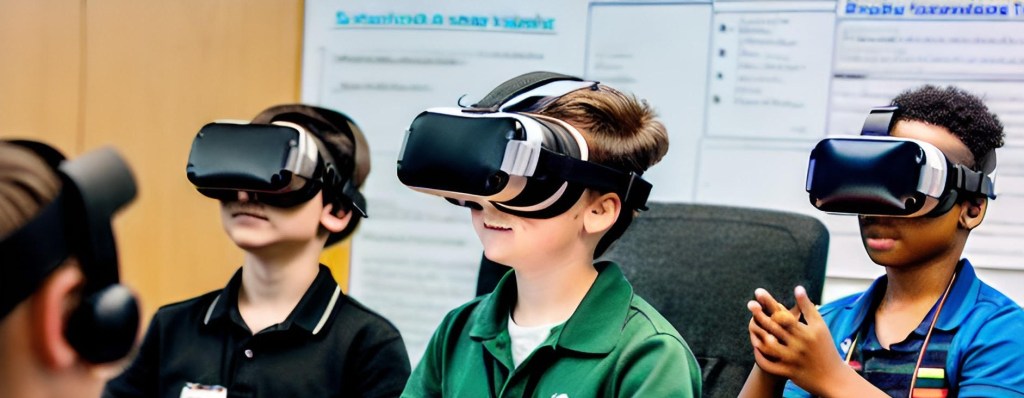
1. A Dynamic Learning Experience: Step into a virtual realm where history comes to life, and science becomes an interactive adventure. Technology has introduced dynamic learning experiences that engage and excite students like never before. Through virtual field trips and educational apps, students can explore distant lands, explore historical events, and grasp complex concepts through interactive simulations.
Real-World Example: In a biology class, students don VR headsets to examine the intricacies of human anatomy. The immersive experience sparks their curiosity, inspiring a passion for biology and medicine
2. The Power of Personalized Learning:
No two students are alike, and technology recognizes this diversity. Adaptive learning platforms harness the potential of data analytics and AI to understand each student’s unique learning style. By tailoring lessons to their individual needs, technology fosters better comprehension, retention, and overall academic success.
Quote from Educator: “The personalized learning approach has been a game-changer in my classroom. I’ve witnessed struggling students blossom into confident learners, all thanks to technology’s adaptability.” – Ms. Johnson, High School Teacher.
3. Breaking Barriers of Distance:
Geographical boundaries no longer limit education’s horizons. Technology has dismantled barriers, allowing students worldwide to connect and collaborate seamlessly. Online learning platforms and video conferencing tools create a global classroom where ideas flow freely, fostering a vibrant exchange of cultures and perspectives.
Real-World Example: In a collaborative project, students from Australia, India, and the United States collaborate via virtual classrooms. They learn about each other’s cultures and share innovative solutions to global challenges.
4. Empowering Educators: Educators, too, have benefited immensely from technology integration. Advanced software and apps aid in lesson planning, grading, and data analysis, enabling teachers to devote more time to individual students’ needs and professional development. Online teaching resources and communities foster collaboration among educators worldwide, fostering a global exchange of best practices.
Quote from Educator: “With technology’s help, I spend less time grading and more time engaging with my students. It has transformed my teaching approach and allowed me to nurture each student’s potential.” – Mr Anderson, Middle School Teacher.
5. The Challenge of Digital Distractions: While technology brings many benefits, it also presents challenges. Digital distractions and the allure of social media can divert students’ attention from learning. Striking the right balance between educational technology and screen time requires thoughtful consideration and guidance to ensure students stay focused and maximise their learning experience.
6. The Digital Divide: As technology advances, concerns about the digital divide emerge. Not all students have equal access to devices and the internet, creating disparities in educational opportunities. Addressing this challenge calls for collaborative efforts between governments, educational institutions, and tech companies to ensure equitable access to technology for all students.
7. Embracing the Future: The impact of technology on modern education is transformative, with its potential yet to be fully realized. As we embrace the digital revolution, it’s crucial to harness technology responsibly and ethically, ensuring that it complements traditional teaching methods rather than replacing them entirely. Emphasizing digital literacy and critical thinking skills prepares students for an ever-evolving future where adaptability and problem-solving are paramount.
Conclusion: Technology’s influence on modern education is a paradigm shift that empowers minds and shapes the future. From dynamic learning experiences to personalized pathways, technology enhances education, offering boundless opportunities for growth and discovery. As we navigate the challenges, let us harness technology’s potential while staying true to the essence of education – cultivating curious minds, nurturing creativity, and fostering a love for lifelong learning. Together, we pave the way for a generation that thrives in the digital age and embraces the promise of a brighter, more connected world.
 TechTronics